
For years, national fulfillment networks defined the standard for logistics success. Larger warehouses, broader coverage, and centralized systems have often been considered the standard objective for growing brands. Scale was treated as a proxy for reliability, and centralization was marketed as the safest operational path. But as e-commerce matured and customer expectations sharpened, West Coast brands began reevaluating whether centralized fulfillment still delivered the speed and efficiency it promised. Brands are no longer driven by theory. They are chasing competitive advantage.
This shift is subtle but powerful, signaling a deeper rethinking of fulfillment strategy rather than a surface-level change. Instead of defaulting to massive national networks, brands are pulling fulfillment closer to their customers. Regional strategies are replacing blanket coverage. And West Coast–based operators, especially 3PLs in Portland, Oregon, are emerging as the backbone of this new approach. Proven Prep Center exists within this movement, not as a smaller substitute for national players, but as part of a smarter fulfillment model built around proximity, velocity, and control.
Why West Coast Brands Are Rethinking National Fulfillment Models
Brands recognize a fundamental mismatch. Their customers are concentrated on the West Coast, but their inventory is often located elsewhere. As a result, orders are shipped over long distances because national networks optimize for broad coverage rather than regional demand. Consequently, brands face longer delivery windows, elevated shipping costs, and a decline in customer experience quality.

National fulfillment networks are designed to balance massive volumes across dozens of nodes. That design makes sense for internal efficiency, but it often conflicts with brand-level outcomes. Inventory is placed where it best serves the network, not where it best serves the customer. For West Coast brands, this frequently means inland warehouses that add transit time without adding value.
As e-commerce expectations increase, brands can no longer tolerate inefficiencies. Shipping speed directly impacts conversion rates, while delivery reliability drives repeat purchases. Fulfillment is no longer invisible to customers, and the cost of misalignment is tangible and measurable.
The Strategic Advantage of a West Coast 3PL
A West Coast 3PL completely redefines the traditional national fulfillment model. Instead of distributing inventory everywhere, it places inventory where demand is strongest. This approach reduces distance, simplifies routing, and accelerates order flow. The benefits compound quickly.
When fulfillment is closer to West Coast population centers, orders move through fewer shipping zones. Transit times shrink without requiring premium services. Fulfillment meets customer expectations through strategic location instead of added cost. The result is a faster, more predictable delivery experience that strengthens brand trust.
This is not a theoretical advantage. It is structural. Distance is one of the most expensive variables in fulfillment, and regional 3PLs are built to minimize it.
Why 3PL Oregon Is Emerging as a Strategic Fulfillment Hub
Among West Coast regions, Oregon has quietly become one of the most strategic locations for fulfillment. A 3PL Oregon operation offers proximity to major ports while avoiding the congestion and cost structures that plague California-based facilities. Oregon sits close enough to serve West Coast markets quickly, yet it is flexible enough to operate efficiently.
Inbound freight arriving through West Coast ports can be moved into Oregon fulfillment centers with less friction. Drayage distances are shorter. Inbound timelines are more predictable. Inventory becomes available faster for outbound orders, which also directly improves inventory velocity.
For brands, this means capital turns faster. Stock spends less time idle. Forecasting becomes more accurate because replenishment cycles tighten. Oregon-based fulfillment aligns inbound logistics with outbound demand in a way that national networks struggle to replicate.
3PL Portland and the Power of Regional Proximity
Within Oregon, 3PL Portland providers occupy a particularly advantageous position. Portland sits at the intersection of carrier density, port access, and West Coast reach. This geography enables fulfillment strategies to balance speed and cost without sacrificing flexibility.
Portland-area 3PLs can reach major West Coast markets in fewer shipping zones. They can leverage regional carrier networks more effectively. They can adjust routing strategies dynamically as demand shifts. This level of responsiveness is difficult to achieve inside rigid national systems.
Proximity also enables better communication and oversight. Brands collaborating with a Portland-based 3PL fulfillment benefit from operational visibility. Such advantages are frequently overlooked in expansive national networks. Within a regional 3PL, issues are addressed promptly, adjustments are made swiftly, and fulfillment evolves into a collaborative process instead of a purely transactional one.
How Regional Carrier Optimization Outperforms National Contracts
The best advantage of regional fulfillment lies in carrier strategy. National 3PLs negotiate large-scale contracts that prioritize nationwide volume consistency. While effective at scale, this approach is rarely optimized for individual regions.
A regional West Coast 3PL operates differently. Carrier selection is based on actual lane performance rather than national averages. This allows regional carriers, zone-skipping strategies, and hybrid delivery models to be deployed selectively, where they create the greatest impact. The result is lower per-order shipping costs and more reliable delivery timelines.
Because regional providers focus on fewer lanes, they develop deeper insight into carrier performance. This knowledge translates into smarter routing decisions and fewer surprises during peak seasons or disruptions.
Inventory Velocity as the New Fulfillment Metric
As brands move deeper into the evaluation phase, attention shifts from warehouse size to inventory movement. Inventory velocity has become a defining metric for modern fulfillment performance. Fast-moving inventory improves cash flow, reduces holding costs, and increases customer satisfaction.
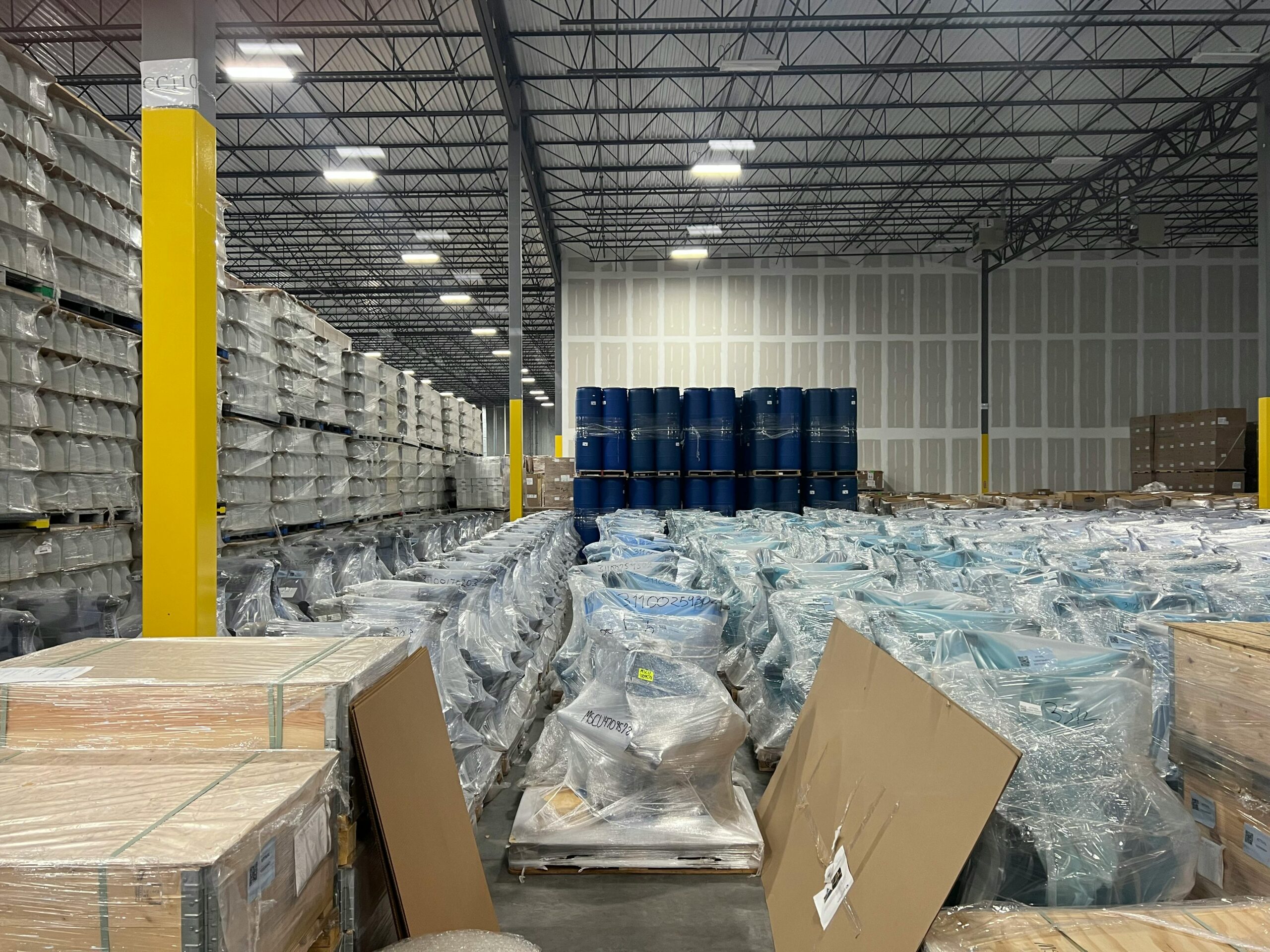
National networks often encourage inventory sprawl. Stock is distributed across multiple nodes to ensure coverage, which increases safety stock requirements and complicates forecasting. Regional fulfillment takes a more disciplined approach. Inventory is concentrated where demand exists, which simplifies planning and accelerates turnover.
A 3PL Oregon model supports this philosophy by aligning inbound and outbound flows geographically. Inventory arrives closer to its point of shipment, reducing storage time and increasing utilization.
Amazon as a Channel, Not Your Fulfillment Center
Brands reassess how Amazon fits into their logistics ecosystem. Amazon is a powerful sales channel, but it should not dictate fulfillment architecture. National networks often design operations around Amazon’s requirements, allowing marketplace priorities to override broader business needs.
Regional 3PLs treat Amazon differently. It is supported, integrated, and optimized, but it does not affect decision-making. Inventory placement considers DTC, wholesale, retail, and marketplace demand simultaneously. This balance preserves flexibility and protects margins.
Proven Prep Center operates within this framework, enabling Amazon prep and fulfillment while maintaining a holistic view of inventory performance. Brands retain control instead of surrendering it to a single channel.
Proven Prep Center Your 3PL Solution in Portland, Oregon
Proven Prep Center is built for West Coast commerce. As a 3PL provider, the operation prioritizes proximity, speed, and adaptability over sheer scale. Fulfillment workflows are designed to keep inventory moving efficiently and support multi-channel operations seamlessly.
Carrier strategies reflect regional demand patterns. Inbound and outbound processes are aligned to reduce friction. Communication remains direct and responsive. This operational clarity allows brands to grow without losing visibility or control.
Rather than positioning itself as an alternative to national networks, Proven Prep Center represents a different philosophy entirely. It aligns fulfillment with how modern brands actually sell and ship.
West Coast Fulfillment Is Quietly Shifting to Regional Networks
The replacement of national fulfillment networks on the West Coast is quiet and gradual. It is happening through decisions made by one brand at a time. As companies analyze shipping data, inventory turnover, and customer feedback, the same conclusion emerges. Closer fulfillment performs better.
Regional 3PLs win because they reduce unnecessary distance. They simplify logistics instead of abstracting them. They allow brands to respond to change instead of waiting for systems to catch up.
The future of West Coast fulfillment is not defined by size alone. It is defined by placement, precision, and performance. 3PL providers like Proven Prep are not filling gaps in national networks. They are building a better foundation for sustainable growth.